Dental Care
Why is oral and dental health important?
Dental care for dogs and cats is one of the most commonly overlooked areas of pet health care. The brewing infection, in the plaque and tartar, is not only capable of causing both acute and chronic pain but, has far-reaching effects on your pet’s major organ function and longevity. Periodontal disease is a progressive disease and can damage bone support (alveolar bone) around the tooth root. Once the alveolar bone is lost, then it can not be reversed. So to prevent this, dental scaling and polishing need to be done at the earliest sign of gingivitis (gum inflammation), and plaque and tartar build up. Regular cleaning of the bacteria-rich plaque and tartar, followed by home dental care can help to avoid major dental surgery costs besides preventing or slowing down the dental disease.
If you see the redness of the gums, tartar on the teeth and smell a foul odour, your pet needs help. Our nurses can do 'Free Dental Checks' on your pets. Please contact us to arrange an appointment.
What is involved in dental care at Pet Vets?
Safest and most effective dental procedure involve:
A pre-anaesthetic health exam
A pre-anaesthetic blood test
Customised pre-anaesthetic medication to help with sedation and pain relief
Intravenous fluid during and sometimes after the procedure to maintain hydration, blood pressure and access for medication
Intravenous anaesthetic drugs are given to anaesthetise the patient, and a tube is placed in the airway for delivery of oxygen and anaesthetic gas to maintain the anaesthesia. Your pet is continuously monitored during the whole anaesthesia, and warming support is given
Under anaesthesia, every tooth is examined closely, and a dental chart is created. This chart records missing teeth, broken teeth, and whether any periodontal disease exists
Dental X-rays are taken when vets are not sure if a tooth requires extraction or not. Dental radiographs allow us to assess the roots of the teeth
A professional dental scaling is carried out, including removing plaque and tartar from under the gum line. This is followed by dental polishing to help prevent new plaque and tartar from forming
After reviewing dental exam and dental x- rays, extractions are planned. We have access to high-speed dental drills to facilitate the extractions. Soft self- absorbable suture is used to suture the gums after the extractions
Indvidualised post dental treatment plan and discharge advise is prepared for each patient
Free follow up dental checks are carried out, in patients who had extractions, to assess the healing
We provide complimentary dental care plan tailored for each patient following the dental procedure, to minimise or prevent future dental problems
Our Dental Equipment
Pet Vets is equipped with advanced dental equipment to provide comprehensive dental care for your pets.
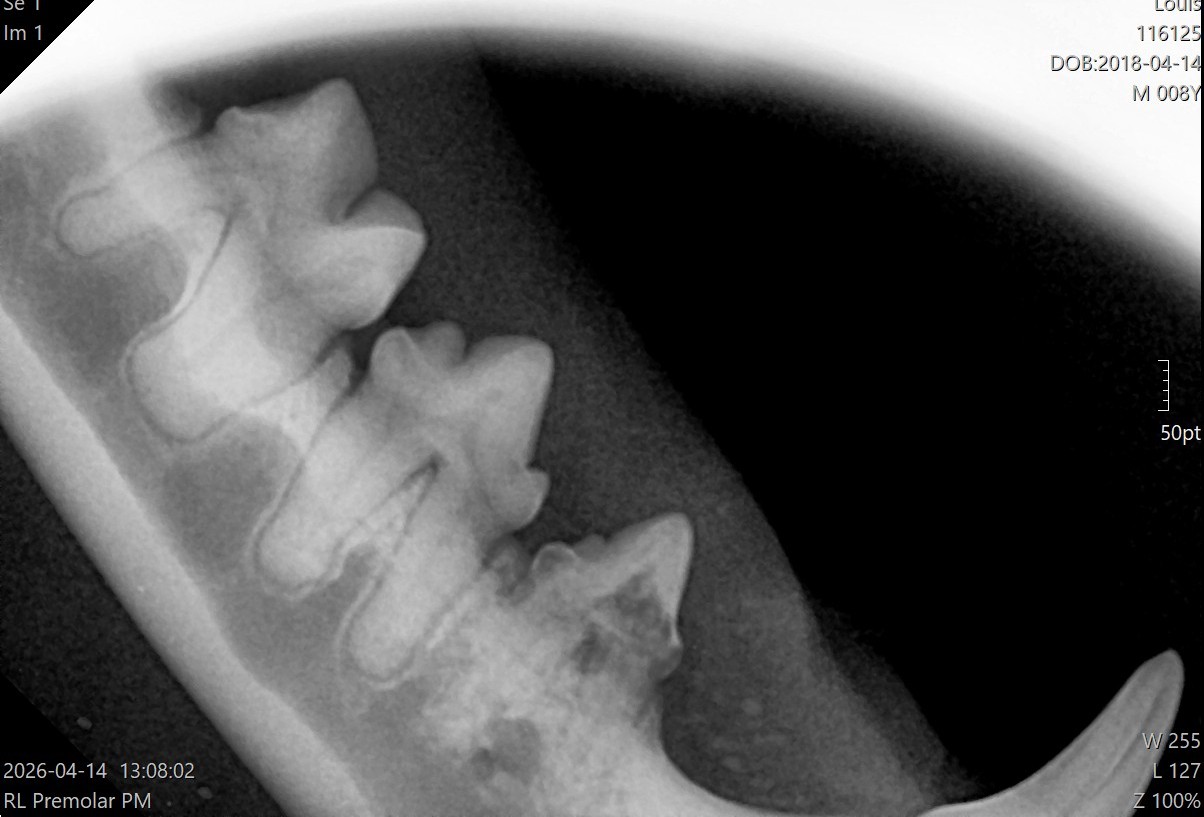
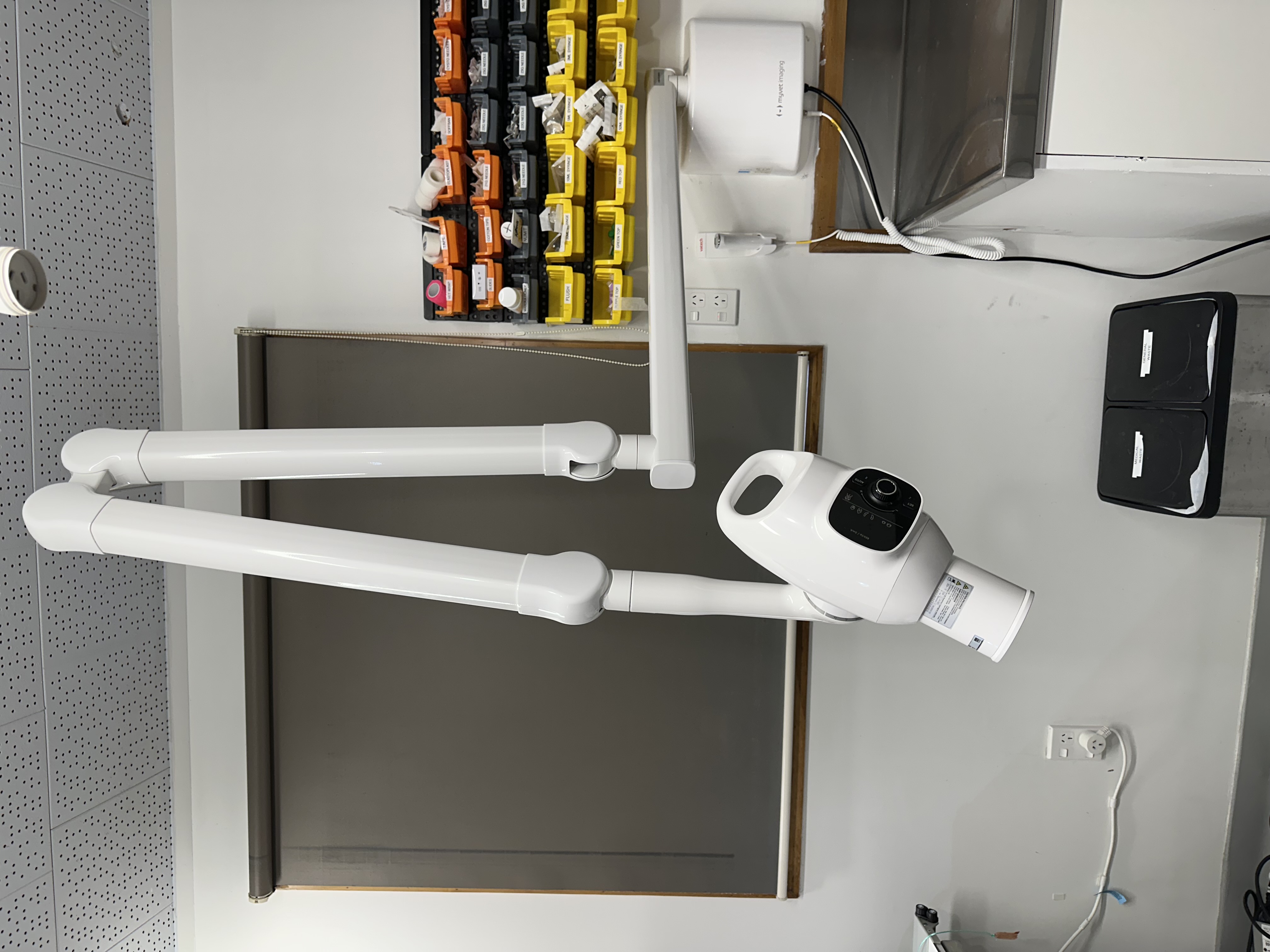
Frequently Asked Questions: Pet Dental Care
At Pet Vets Auckland, we know that good dental care is essential to your pet's overall health and wellbeing. Here are answers to some of the most common questions we receive about dental care for dogs and cats.
Dental care helps prevent common conditions such as periodontal disease, tooth decay, and gum infections. Poor oral health can lead to pain, difficulty eating, and may even affect vital organs like the heart, liver, and kidneys. Maintaining good oral hygiene supports your pet's long-term health and quality of life.
Daily brushing is ideal for keeping plaque and tartar under control. Use a pet-specific toothbrush and toothpaste, as human products can be harmful to pets. If daily brushing isn't possible, aim for several times a week and supplement with other dental care options.
Keep an eye out for:
Bad breath
Red, inflamed, or bleeding gums
Yellow or brown tartar buildup
Difficulty eating or dropping food
Pawing at the mouth or facial swelling
If you notice any of these signs, we recommend booking a dental check with your veterinarian promptly. We offer Free pet dental checks with our veterinary nurses. Please make an appointment.
Dental chews, specially formulated diets, and treats can help reduce plaque and tartar. Choose products appropriate for your pet's size and chewing habits and avoid very hard treats or bones that may damage teeth. We often see pets with fractured teeth from chewing bones or other hard objects.
Look for products approved by the Veterinary Oral Health Council, as these meet recognised standards for effectiveness. We stock number of these products and our team can recommend safe and effective options tailored to your pet.
Yes—most pets will benefit from regular professional dental cleanings, even with good home care. These procedures are performed under anaesthesia and allow for a thorough examination, scaling, and polishing of the teeth, including below the gumline where disease often begins.
Your veterinarian will recommend an appropriate cleaning schedule based on your pet's individual needs—this may range from annually to more frequent care for pets with existing dental disease.
Have more questions about your pet's dental health? Contact Pet Vets Auckland—our friendly team is here to help keep your pet's smile healthy and pain-free.
How to brush your pet's teeth?
Our trained staff can show you how to.